How to Detect and Fix Roof Flashing Issues Before They Cause Major Damage
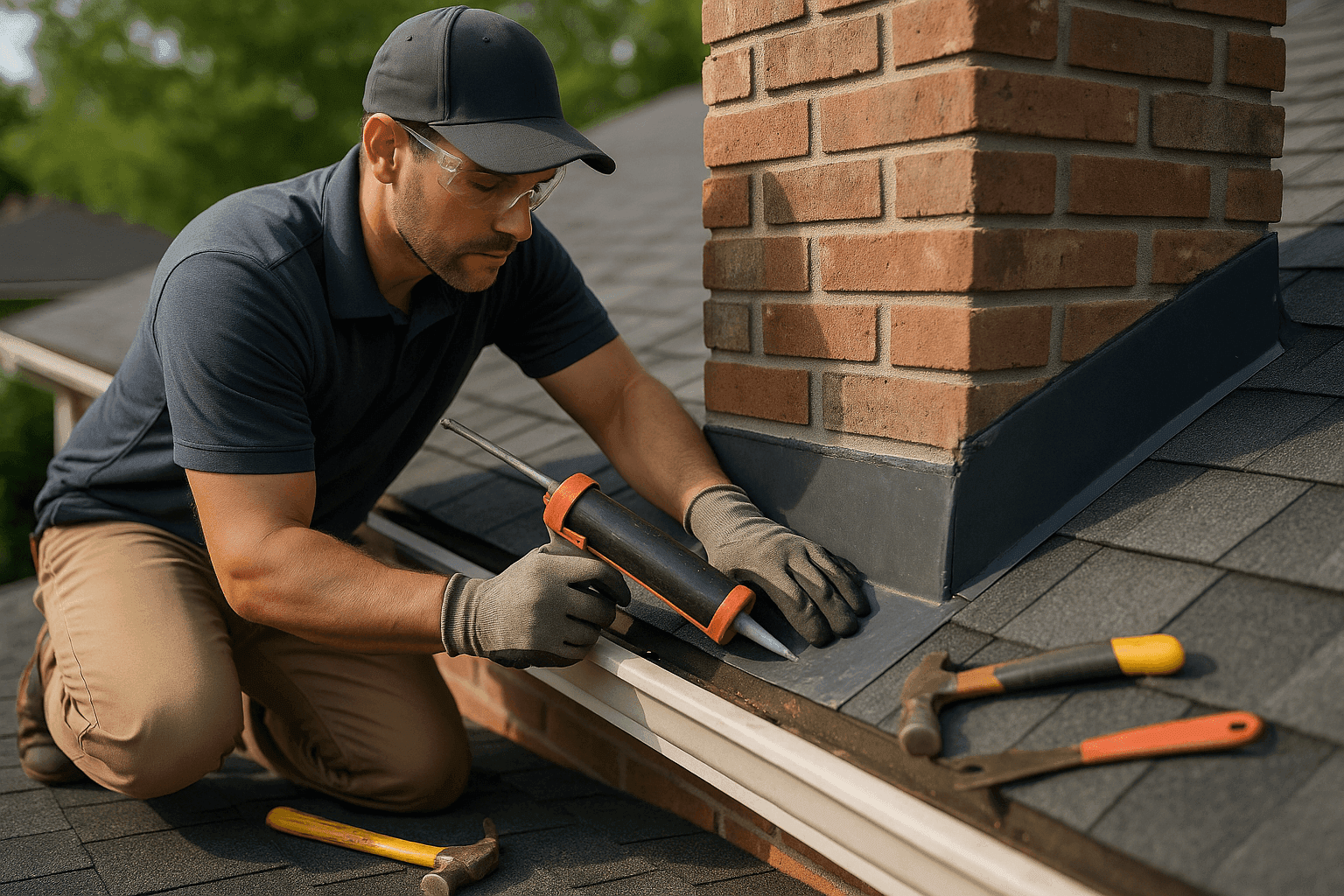
When water sneaks into your home or business, it rarely knocks first. Roof leaks can start small—just a slow drip behind a wall or a dark stain on the ceiling. But left unchecked, a flashing issue can turn a peaceful night into a full-blown emergency roofing situation.
At Allan Lowe Roofing, we know that roof flashing is the unsung hero of a dry, safe building. Let’s walk through what flashing does, how to spot early trouble, and what you can do before small issues become big headaches.
What Is Roof Flashing and Why Does It Matter?
Think of roof flashing as the raincoat for your roof’s most vulnerable spots. It’s the thin metal or rubber barrier that keeps water from sneaking into seams—around chimneys, skylights, vents, and where different roof planes meet. Without flashing, even the toughest roof can spring a leak.
Common flashing materials include:
- Galvanized steel (strong and rust-resistant)
- Aluminum (lightweight, easy to shape)
- Copper (durable, ages well)
- Rubber or plastic (used in some modern installations)
Flashing is tucked under shingles, wrapped around corners, or layered along valleys—anywhere water could try to get in. When it fails, water finds a way.
The Warning Signs: How to Spot Flashing Problems Early 🕵️♂️
Catching flashing issues early is like spotting a pothole before it ruins your tire. Here’s what to look for during a visual check:
- Rust or discoloration: Orange streaks or dull patches mean metal is breaking down.
- Cracks or holes: Even tiny gaps can let water in.
- Loose or missing sections: Flashing that’s pulled away or vanished leaves an open door for leaks.
- Dried or missing sealant: Old caulking around flashing can crack and peel.
- Water stains inside: Brown spots on ceilings or walls often trace back to faulty flashing.
- Visible debris or plant growth: Moss or leaves can trap moisture and speed up decay.
If you notice any of these, don’t ignore them. Water damage can move fast, especially after a heavy rain or storm.
Quick Safety Checklist Before Inspecting Your Roof
Safety always comes first. Before climbing up, review these essentials:
- Use a sturdy, well-placed ladder on level ground.
- Wear shoes with good grip—wet roofs are slippery.
- Never inspect the roof in high winds, rain, or icy conditions.
- Let someone know you’re working on the roof, or have a spotter.
- Carry a phone in case you need help.
- Avoid stepping on fragile areas or near skylights.
If you’re unsure or uncomfortable, it’s always safer to call a professional.
DIY: What You Can Fix—And When to Call a Pro
Some flashing problems are quick fixes. Others need a trained eye and steady hand.
DIY-Friendly Repairs
- Resealing minor cracks: Apply roofing caulk or sealant to small gaps.
- Replacing loose nails: Hammer down popped nails or use roofing screws.
- Cleaning debris: Gently remove leaves, moss, or dirt from flashing areas.
When to Call Allan Lowe Roofing
- Flashing is rusted through, missing, or severely bent.
- Leaks have already caused interior damage.
- You see mold, rot, or extensive water stains.
- The repair involves steep or high roofs.
- You’re unsure about what you’re seeing.
A quick call can save you thousands in repairs later.
What Pros Do On Arrival
When you call in the cavalry, here’s what happens:
- Thorough inspection: We check not just the flashing, but nearby shingles, sealants, and gutters.
- Moisture detection: Using meters or infrared, we find hidden leaks.
- Material match: We use flashing that fits your roof’s style and material, following manufacturer specs and building codes (see International Building Code Section 1507 for reference).
- Professional sealing: We use top-grade sealants and techniques to keep water out.
- Full cleanup: Debris and old materials are safely removed.
Our team follows OSHA fall protection guidelines and industry best practices every step of the way.
Prevention & Maintenance: Keep Flashing Strong for Years
A little care goes a long way. Here’s how to keep your flashing—and your roof—working hard:
- Inspect twice a year: Spring and fall are ideal. Look after big storms, too.
- Clean gutters and downspouts: Clogged gutters back up water, which can seep under flashing.
- Trim overhanging branches: Falling limbs can dent or pry up flashing.
- Reapply sealant: If caulking looks cracked or shrunk, refresh it.
- Schedule professional inspections: Once a year, have a pro check for hidden issues.
Preventative maintenance is like changing the oil in your car—it keeps bigger problems at bay.
Costs & Time Factors: What to Expect
Roof flashing repairs can range from a quick fix to a more involved project. Here’s what influences the cost and time:
- Extent of damage: Minor resealing takes less time and materials. Replacing large sections costs more.
- Roof height and pitch: Steep or high roofs require extra safety measures.
- Material type: Copper and custom flashing are pricier than aluminum or steel.
- Access: Hard-to-reach areas may take longer.
Most minor repairs can be finished in an hour or two. Larger jobs or full replacements might take a day or more.
When It’s an Emergency
Sometimes, flashing issues can’t wait. Here’s when to call for emergency roofing help:
- Water is actively leaking inside.
- There’s visible sagging or structural damage.
- A storm has ripped away flashing or shingles.
- Interior ceilings or walls are bulging, soft, or crumbling.
Quick action can prevent mold, electrical hazards, and costly repairs.
FAQ: Roof Flashing Issues
How often should roof flashing be inspected?
Twice a year is best—once in spring, once in fall. Always check after major storms.
Can I use caulk to fix all flashing leaks?
Caulk works for small cracks, but not for rusted or missing flashing. For bigger issues, call a professional.
Is flashing repair covered by insurance?
If damage is from a covered event (like a storm), repairs may be included. Check your policy for details.
What’s the lifespan of roof flashing?
With proper maintenance, flashing can last 20 years or more. Harsh weather or poor installation can shorten its life.
Special Considerations for Roof Flashing Repairs
- Building Codes: Proper flashing installation must follow local building codes and manufacturer guidelines.
- Material Compatibility: Mixing metals can cause corrosion. Always use compatible materials.
- Eco-Friendly Options: Some flashing materials are recyclable or made from recycled content.
- Weather Timing: Schedule repairs for dry weather whenever possible.
- Safety: Never risk a fall or injury—professional roofers use harnesses and safety gear as recommended by OSHA.
If you spot signs of flashing trouble, don’t wait for a rainy day to find out it’s worse than you thought. Protect your home or business from costly water damage and emergency repairs.
Call Allan Lowe Roofing now — or reach us anytime at 855-506-8285 .