How to Prepare Your Roof for Winter Storms: Essential Tips for Homeowners
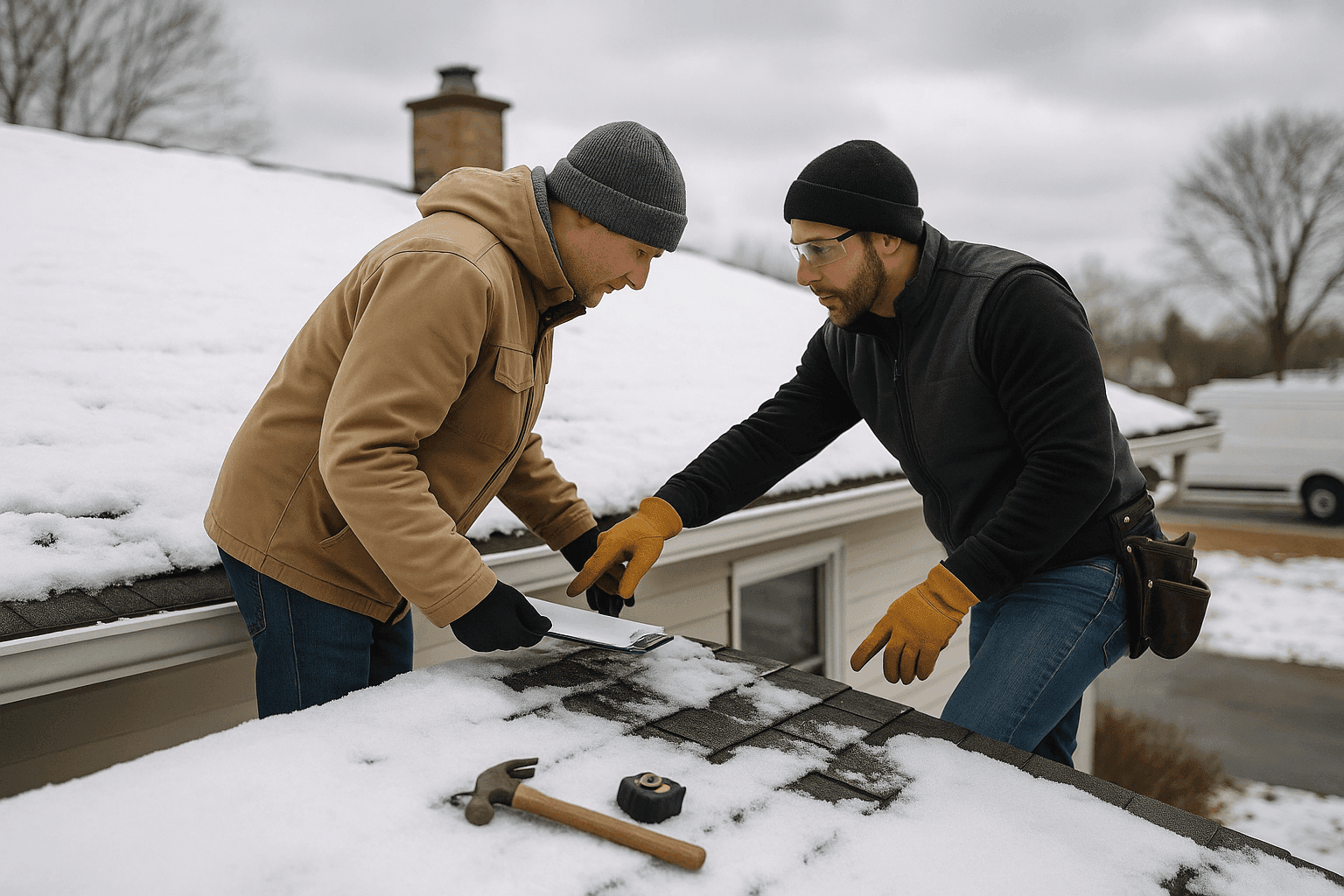
When winter storms roll in, your roof stands between you and the biting cold. A single overlooked crack or clogged gutter can turn a peaceful evening into a scramble for buckets and towels. At Allan Lowe Roofing, we know how quickly heavy snow, ice, and wind can test the limits of any home—especially when emergency roofing is needed most.
Let’s break down what you need to know to keep your roof strong, safe, and ready for whatever winter throws your way.
Why Winter Roof Prep Matters ❄️
Imagine your roof as a sturdy shield. When winter storms hit, that shield faces a barrage of snow, ice, and freezing rain. Without preparation, small issues can become major headaches. Ice dams can form along the edges, trapping water that seeps under shingles. Heavy snow piles up, stressing the structure. Even a tiny leak can let cold air and moisture inside, leading to mold, rot, or ruined insulation.
According to the International Association of Certified Home Inspectors (InterNACHI), winter weather is one of the most common causes of roof damage. The National Roofing Contractors Association (NRCA) recommends annual inspections before the first snowfall. Ignoring these steps can lead to costly repairs—or worse, sudden emergencies.
Pre-Winter Roof Inspection Checklist
A little attention now can save you a lot of trouble later. Here’s what to look for before winter sets in:
- Shingles: Are any loose, cracked, curling, or missing? Damaged shingles are weak spots for leaks.
- Flashing: Check the metal strips around chimneys, skylights, and vents. Any rust, gaps, or lifting edges? Water sneaks in here first.
- Gutters and Downspouts: Clear out leaves, twigs, and debris. Make sure water flows freely away from your home.
- Attic Insulation: Look for thin or damp spots. Proper insulation keeps heat in and prevents ice dams.
- Ventilation: Ensure attic vents aren’t blocked. Good airflow keeps temperatures steady and moisture low.
- Sealants and Coatings: Inspect for cracks or peeling around roof penetrations.
- Skylights and Chimney Flashing: Check for gaps or worn seals.
If you notice any of these issues, address them before the first storm. Even minor repairs can make a big difference.
Effective Maintenance Tips
Keeping your roof in top shape doesn’t have to be complicated. Here’s how to stay ahead of winter’s worst:
- Clean Gutters and Downspouts: Clogged gutters trap water, leading to ice dams. Clean them out regularly, especially after autumn leaves fall.
- Seal Leaks Promptly: Use roof-grade sealant on small cracks or gaps. For bigger leaks, call a professional.
- Trim Overhanging Branches: Branches can scrape shingles or fall under heavy snow, causing damage.
- Improve Attic Ventilation: Install or clear soffit and ridge vents. This helps prevent condensation and ice buildup.
- Add Insulation: The U.S. Department of Energy recommends at least 10–14 inches of attic insulation in most homes. More insulation means less heat loss.
- Inspect After Every Storm: Even if you checked before winter, storms can cause new problems. Look for missing shingles, bent flashing, or water stains in the attic.
Regular maintenance is like brushing your teeth—simple habits that prevent bigger pain down the road.
Emergency Preparedness: What to Do if Storm Damage Occurs 🚨
Sometimes, even the best preparation isn’t enough. If you spot sudden leaks, sagging ceilings, or obvious roof damage after a storm, don’t panic. Here’s what to do:
- Stay Safe: Don’t climb on a snowy or icy roof. Water and electricity don’t mix—avoid wet areas near electrical wiring.
- Contain the Damage: Place buckets under drips. Move valuables away from leaks.
- Document Everything: Take photos of the damage from inside and out. This helps with insurance claims.
- Call for Emergency Roofing Services: Reach out to a qualified roofing contractor like Allan Lowe Roofing. Emergency crews can tarp your roof and prevent further water intrusion until repairs are made.
- Follow Up: After the immediate danger passes, schedule a full inspection to assess hidden damage and plan permanent repairs.
Fast action keeps small problems from turning into disasters.
How to Identify Roof Vulnerabilities
Winter finds every weak spot. Here’s how to spot them before trouble starts:
- Look for Water Stains: Yellow or brown spots on ceilings or walls signal leaks.
- Check for Drafts: Cold air in the attic or upper rooms often means poor insulation or gaps.
- Inspect the Attic: Wet insulation, mold, or frost are red flags.
- Watch for Sagging: Any dip or sag in the roofline could mean structural issues.
If you’re unsure, a professional inspection is worth every penny.
Scheduling Timely Maintenance
Don’t wait until the forecast calls for snow. Schedule inspections and routine maintenance in late fall. Roofing professionals can spot issues you might miss and recommend repairs that fit your budget and timeline. The National Roofing Contractors Association suggests annual checkups, with extra attention before and after severe weather.
Extending Your Roof’s Lifespan
Prevention is the name of the game. Here’s how to get more years out of your roof:
- Regular Cleaning: Keep gutters, downspouts, and roof surfaces clear of debris.
- Prompt Repairs: Fix minor issues before they grow.
- Upgrade Materials: Consider impact-resistant shingles or metal roofing for extra durability.
- Eco-Friendly Options: Reflective coatings and green insulation can boost energy efficiency and reduce winter heating costs.
Every season you invest in your roof, you’re protecting your home for the long haul.
Emergency Roofing Services: What to Expect
When you call for emergency roofing help, here’s what typically happens:
- Rapid Response: Crews arrive as quickly as possible—especially when water is pouring in.
- Assessment: The team inspects the damage, both inside and out.
- Temporary Fix: Tarping or patching to stop water intrusion.
- Detailed Plan: You’ll get a rundown of what needs repair, what’s urgent, and what can wait.
- Insurance Coordination: Documentation helps streamline claims.
Allan Lowe Roofing is available 24/7 for these situations. We understand that storm damage doesn’t wait for business hours.
Frequently Asked Questions
How often should I inspect my roof for winter readiness?
At least once a year, ideally in late fall before the first snow. After major storms, give it another look.
Can I do winter roof prep myself?
You can handle basic tasks like cleaning gutters or looking for obvious damage. But for anything involving heights, structural repairs, or electrical hazards, call a professional.
What are the signs I need emergency roofing help?
Major leaks, sagging ceilings, visible holes, or large sections of missing shingles all require immediate attention. If in doubt, err on the side of caution.
Will insurance cover winter storm roof damage?
Many policies cover sudden storm damage, but check your documents or speak with your provider for details. Documentation and prompt reporting are key.
Special Considerations for Winter Roof Care 🏠
- Flat Roofs: These are more prone to pooling water and snow buildup. Regular snow removal may be needed.
- Metal Roofing: Ice and snow slide off more easily, but seams and fasteners still need inspection.
- Tile and Shingle Roofs: Watch for cracked tiles or lifted shingles after freeze-thaw cycles.
- Skylights and Chimneys: These are common leak points—check seals and flashing closely.
- Eco-Friendly Options: Reflective coatings and upgraded insulation can help lower heating bills and improve comfort during winter.
Always follow Occupational Safety and Health Administration (OSHA) guidelines when working at heights or with ladders. When in doubt, let trained professionals handle dangerous tasks.
Winter storms don’t have to spell disaster for your home. With a little planning and the right support, you can keep your roof strong and your family safe all season long.
Call Allan Lowe Roofing now — or reach us anytime at 855-506-8285 .