The Ultimate Guide to Preventative Roof Maintenance for Homeowners
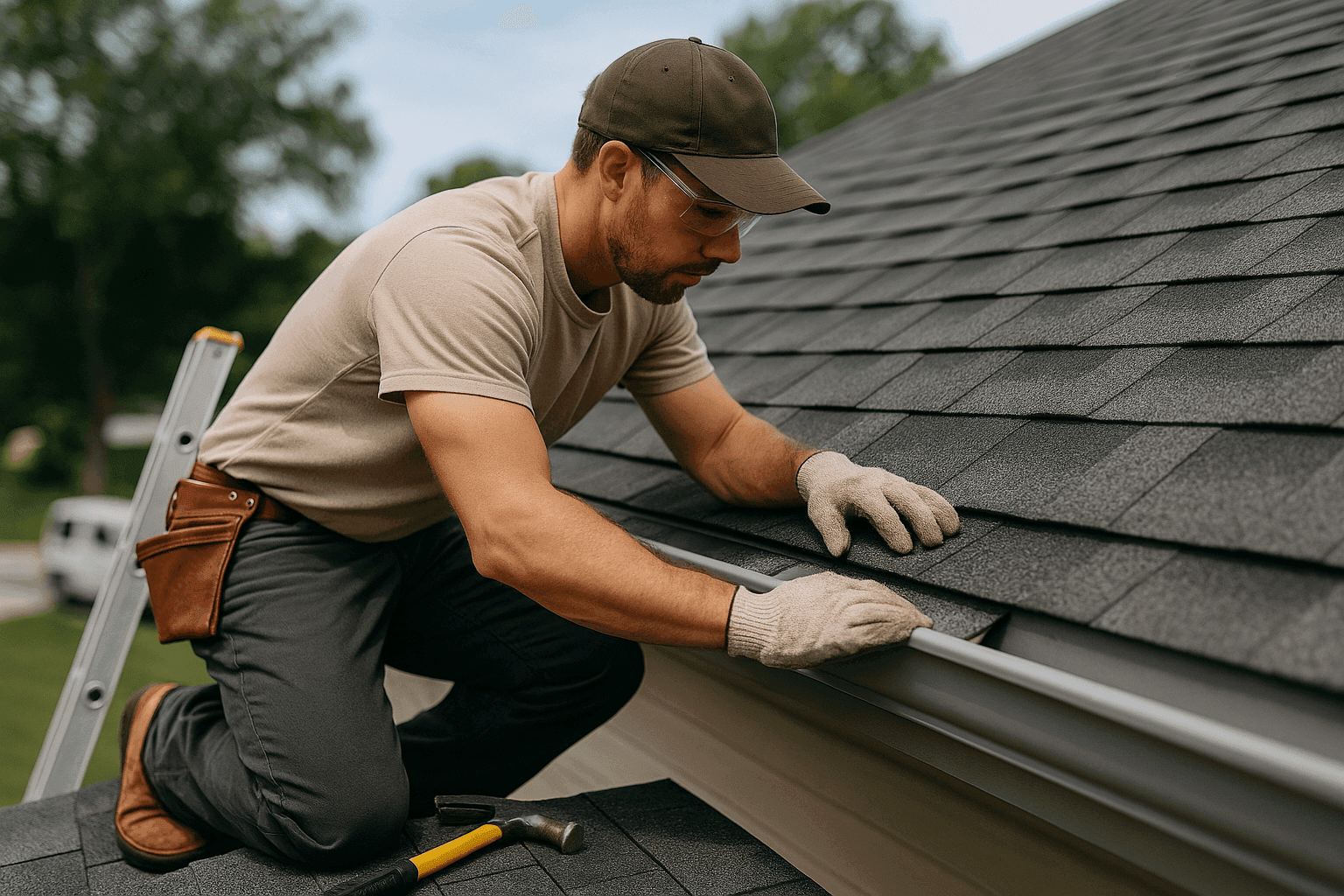
Roofs don’t get days off. Rain or shine, they’re up there—shielding your family, your memories, and everything you value. But even the sturdiest roof can’t take care of itself. That’s where smart, regular maintenance comes in.
At Allan Lowe Roofing, we’ve seen firsthand how a little attention now can save you from emergency roofing headaches later. This guide will walk you through practical, year-round steps to keep your roof in peak shape—protecting your investment and your peace of mind.
Why Preventative Maintenance Matters 🏠
Think of your roof like the brakes on a car. Ignore them, and you’re risking more than just a rough ride. Regular roof maintenance is about catching the small stuff—cracked shingles, loose flashing, clogged gutters—before they turn into leaks, mold, or structural damage.
Benefits of preventative maintenance:
- Save money: Small repairs now cost far less than emergency roofing or a full replacement.
- Extend roof life: Well-maintained roofs can last years longer.
- Protect your home: A healthy roof keeps out water, pests, and drafts.
- Boost energy efficiency: Proper insulation and ventilation help keep heating and cooling costs down.
- Reduce stress: Fewer surprises mean fewer frantic calls during a storm.
According to the National Roofing Contractors Association (NRCA), regular inspections and maintenance are the most reliable ways to avoid major, costly roof issues.
Seasonal Roof Inspection Checklist
Every season brings its own challenges. Here’s how to stay ahead:
Spring
- Clear debris: Remove leaves, branches, and dirt from the roof and gutters.
- Check for winter damage: Look for cracked or missing shingles, damaged flashing, and loose gutters.
- Inspect attic and ceilings: Search for water stains or mold—signs of hidden leaks.
Summer
- Look for sun damage: Shingles can dry out, curl, or blister under intense heat.
- Trim overhanging branches: Prevent falling limbs during summer storms.
- Inspect ventilation: Make sure attic vents are clear to prevent heat buildup.
Fall
- Clean gutters and downspouts: Remove leaves to prevent blockages and ice dams.
- Check for moss or algae: These can trap moisture and damage roofing materials.
- Examine sealants and coatings: Touch up areas around vents, skylights, and chimneys.
Winter
- Watch for ice dams: These form when melting snow refreezes at the roof edge, causing water to back up under shingles.
- Remove heavy snow: Use a roof rake from the ground—never climb a snowy roof.
- Check attic insulation: Proper insulation helps prevent ice dams and keeps your home warm.
Common Roof Issues to Watch For
Spotting a problem early is half the battle. Here’s what to keep an eye out for:
- Shingle wear: Are any shingles cracked, curled, or missing? Granules in the gutters?
- Flashing problems: Loose or rusted flashing around chimneys, vents, or skylights can let water in.
- Gutter blockages: Overflowing gutters can send water down your siding or into your foundation.
- Sagging roof deck: A wavy or sagging roofline may signal structural trouble.
- Leaks or water stains: Check ceilings and attic spaces for new spots or streaks.
- Moss and algae: Green patches can trap moisture and speed up roof decay.
If you notice any of these issues, don’t wait. Small problems rarely stay small for long.
DIY Maintenance Tips vs. When to Call a Pro
Some roof care tasks are safe for handy homeowners. Others are best left to trained professionals with the right gear and experience.
Safe DIY Tasks
- Clean gutters and downspouts: Use a sturdy ladder and gloves.
- Trim nearby trees: Keep branches away from the roof.
- Inspect from the ground: Use binoculars to check for obvious damage.
- Clear off debris: Remove leaves and twigs after storms.
- Check attic ventilation: Make sure vents aren’t blocked by insulation or debris.
When to Call a Professional
- Walking on the roof: Slippery, steep, or high roofs are dangerous.
- Major repairs: Missing shingles, flashing problems, or structural concerns.
- Persistent leaks: If you can’t find or fix the source, call for help.
- Storm damage: Fast action is needed to prevent further issues.
- Chimney and skylight repairs: These require specialized skills and materials.
Professional roofers like Allan Lowe Roofing follow OSHA safety guidelines and use proper harnesses, ladders, and fall protection.
Preparing Your Roof for Storms and Harsh Weather
Storms can turn a small weakness into a big emergency roofing situation. Here’s how to get ready:
- Secure loose shingles and flashing: Tighten or replace as needed.
- Clean gutters and downspouts: Ensure water can flow freely away from your home.
- Check seals around vents and skylights: Apply fresh sealant if you spot cracks.
- Trim trees: Remove dead branches that could fall in high winds.
- Schedule a professional inspection: Before storm season, have a roofer check for hidden vulnerabilities.
A little preparation goes a long way toward keeping your home dry and safe when the weather turns nasty.
Importance of Ventilation and Insulation
A roof is more than shingles and nails. Proper ventilation and insulation are like the lungs and blanket of your home—they keep air moving and temperatures stable.
Why it matters:
- Prevents moisture buildup: Good airflow stops condensation and mold.
- Reduces ice dams: Balanced attic temperatures keep snow from melting and refreezing at the roof edge.
- Lowers energy bills: Insulation keeps heat in during winter and out during summer.
- Extends roof life: Less heat and moisture means less wear on roofing materials.
If you’re not sure about your attic’s insulation or ventilation, a professional assessment can help you spot improvements that pay off in comfort and savings.
Costs and Time Factors
Preventative maintenance isn’t free, but it’s far more affordable than emergency roofing or a full replacement. Here’s what to expect:
- DIY tasks: Gutter cleaning and minor debris removal can take a few hours on a weekend.
- Professional inspections: Typically completed in 1–2 hours, depending on roof size and complexity.
- Minor repairs: Small fixes like sealing flashing or replacing a few shingles are usually quick.
- Major repairs or replacements: These take longer and cost more, especially if structural work is needed.
The National Roofing Contractors Association recommends at least one professional inspection per year. Investing a little time and money now helps avoid much bigger costs down the road.
When It’s an Emergency
Sometimes, despite your best efforts, urgent problems strike. Call for emergency roofing help if you notice:
- Active leaks during rain: Water coming in means immediate risk to your home’s structure.
- Storm damage: Missing shingles, holes, or debris on the roof after severe weather.
- Sagging or collapsing areas: These signal serious structural issues.
- Smoke or fire damage: Always get a professional assessment before reoccupying the space.
Fast response can minimize damage and keep your family safe.
Frequently Asked Questions
How often should I have my roof inspected?
At least once a year, plus after major storms. Regular checks help catch problems early.
Can I clean my own gutters safely?
Yes, if you’re comfortable on a ladder and have someone nearby for safety. Wear gloves and use a sturdy, well-placed ladder.
What are the signs I need a new roof?
Frequent leaks, widespread shingle loss, sagging, or visible light in the attic. A professional can help you decide if repairs are enough or if replacement makes sense.
Is moss on my roof a big deal?
Yes—moss traps moisture and can damage shingles. Remove it gently and consider professional cleaning if it’s widespread.
Special Considerations for Roof Maintenance
- Flat roofs: Require more frequent inspections for ponding water and membrane issues.
- Metal roofs: Check for loose fasteners, rust, and sealant failures.
- Skylights and chimneys: These are common leak points—inspect seals and flashing regularly.
- Eco-friendly options: Consider reflective coatings or recycled materials for longer life and energy savings.
- Gutter guards: Help prevent clogs but still need occasional cleaning.
Regular maintenance isn’t just about preventing leaks. It’s about protecting your investment, your comfort, and everything under your roof.
Call Allan Lowe Roofing now — or reach us anytime at 855-506-8285 .